October 1, 2026 · Neighbourhood Guide
Casa Loma: The Castle and the Canopy
The castle above the trees, the estates that came before it, and the streets beneath the canopy.
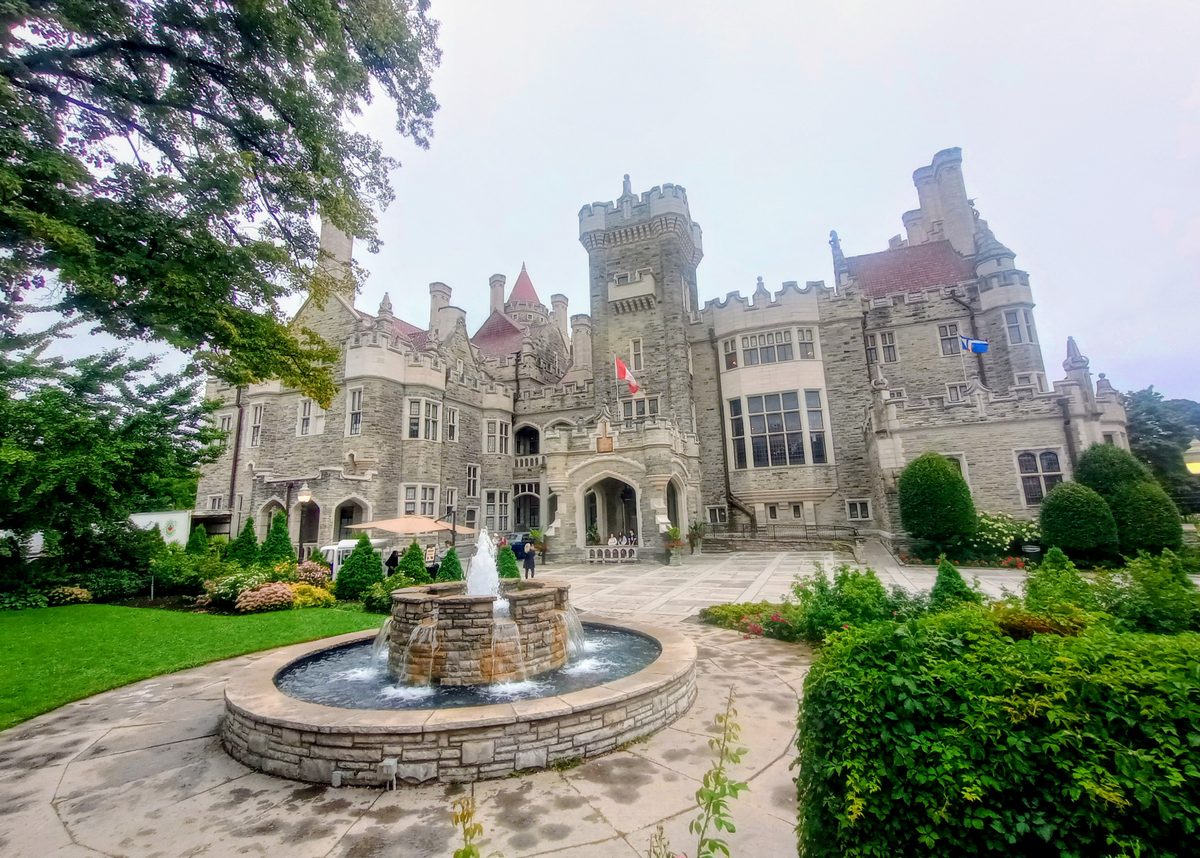
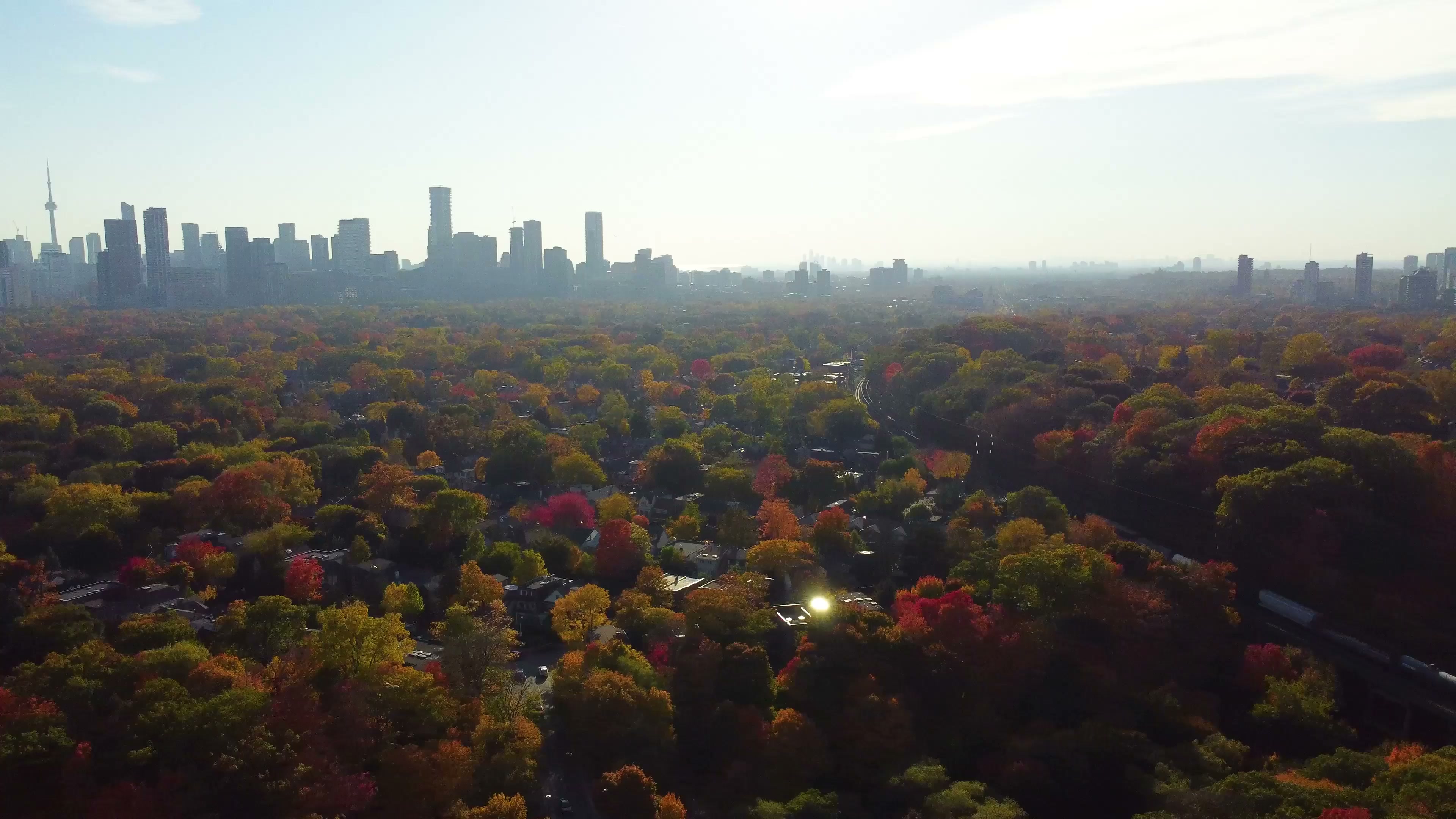
The castle appears above the trees, and the whole city knows it. What fewer people know is how quiet the streets around it are. Up the hill from the subway, beneath a canopy of mature trees, the neighbourhood keeps its own rhythm. The address belongs to a landmark. The streets belong to the people who live on them.
That is the quiet trade at the heart of Casa Loma: the prestige of the city’s most famous address, without living in a tourist zone. The crowds arrive for the castle and stay an afternoon. The people who live here get it year-round, and the streets feel like theirs.
The land was estates before it was streets. Dr. William Warren Baldwin built the first Spadina house here in 1818; James Austin bought the property in 1866, and three generations of his family lived there. The name predates the castle: ishpadina, the Anishinaabemowin word for highland or ridge. Sir Henry Pellatt’s castle came later, finished in 1914. A photograph from that same year shows soldiers marching along Walmer Road with the castle behind them — the landmark has always shared its frame with ordinary life.
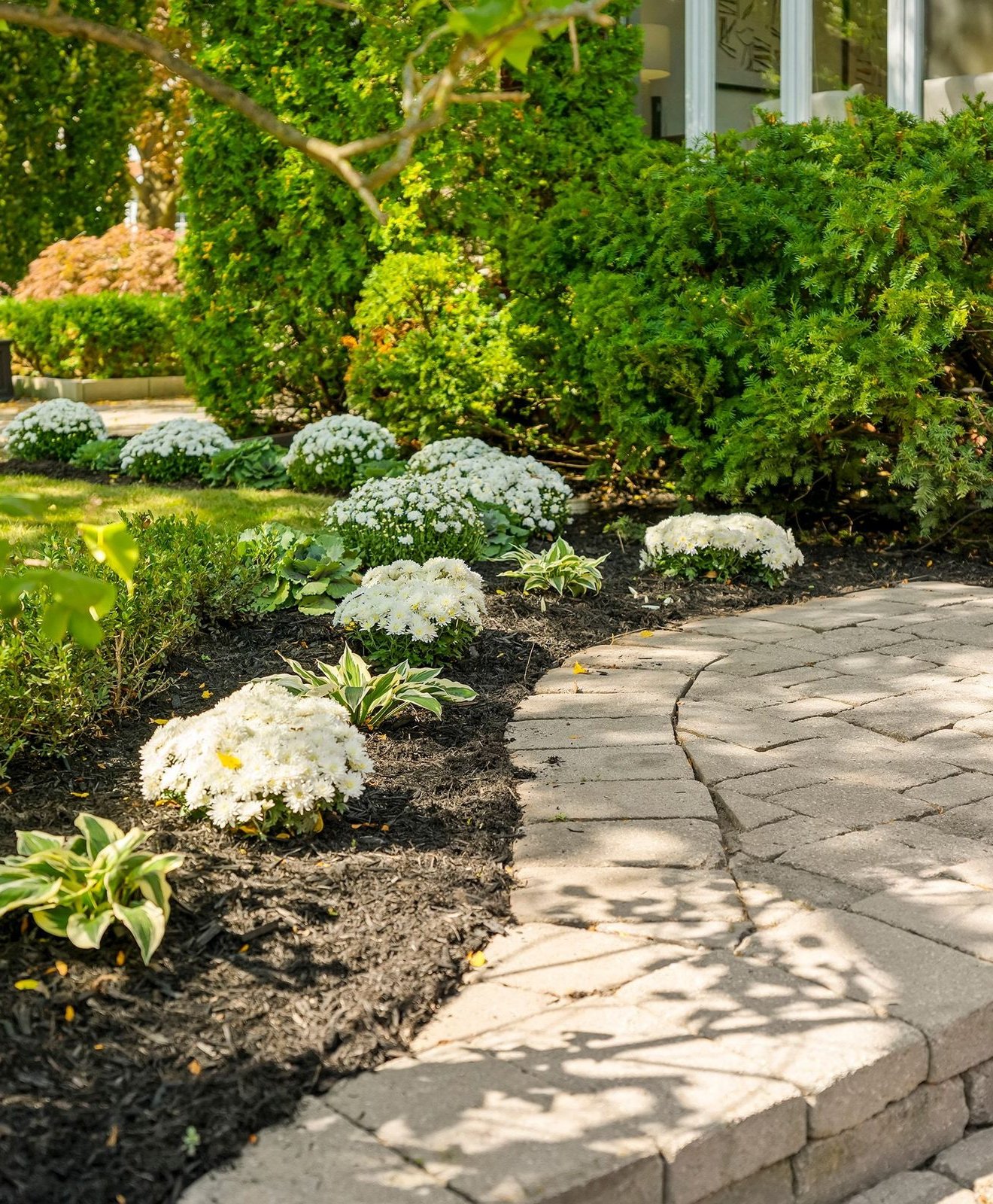
Wells Hill Avenue’s houses date mostly from 1910 to 1930, and the street’s front gardens preserved a grove of oaks. The City’s heritage study calls it communal garden settings under mature trees. That protection is why the streets feel the way they do: here, the space between the houses matters as much as the houses themselves.
The Homes Here
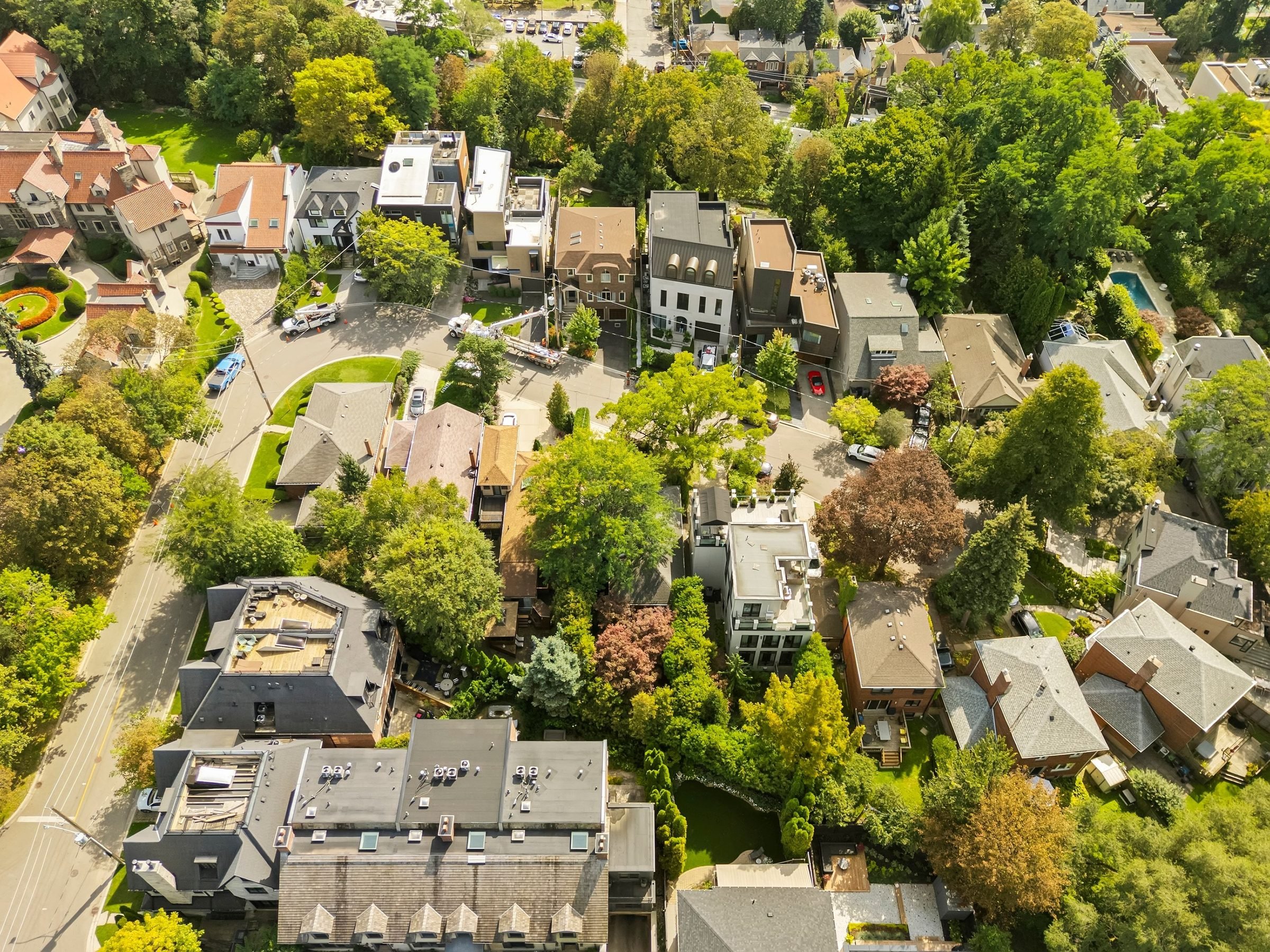
The residential streets are overwhelmingly pre-war: detached and semi-detached houses from the 1910s through the 1930s, the exact stock the City’s heritage study documents street by street. For a buyer, that means the supply is finite: the grid and the housing mix are what they are, and the heritage study exists to keep them that way. What changes is the market around them.
This year, that market reads like a buyer’s moment. Houses in C02 — the district that holds Casa Loma — have averaged $2.33 million year-to-date through late September, down 6.1% from the same stretch in 2025, with 197 sales and homes taking an average of about 26 days to sell. Not a fire sale: a measured market, with prices a few points off last year’s pace and homes taking a few days longer to move.
The commute argues with none of it. Two Line 1 stations bracket the hill — St. Clair West up top with the 512 streetcar, Dupont below with the shops of Dupont by the Castle — so the quiet comes with a fast route downtown. It is a rare combination in this city: landmark prestige, village-scale streets, and transit that doesn’t ask you to trade either one away.
The Hill and the Stairs
The neighbourhood’s height comes from the Davenport Escarpment — the old shoreline of a glacial lake that once covered much of the city. The plateau holds the castle and the quiet streets. Coming home can mean climbing all 110 Baldwin Steps to Austin Terrace, and in the 1960s the city nearly erased them: the proposed Spadina Expressway would have cut through the cliff. The highway died in 1971. The stairs are still there. This neighbourhood has a habit of holding onto what matters.
Life on the Plateau
Daily life runs close to home. Sir Winston Churchill Park has ten lit tennis courts and a playground. Wells Hill Park sits near St. Clair West station, and the Nordheimer Ravine traces the neighbourhood’s northern edge, named for Samuel Nordheimer, the piano importer who lived nearby. Hillcrest Community School has shared its pool with the community centre since the school opened in 1905, and St. Michael’s College School has stood at Bathurst and St. Clair since 1950.
October brings the castle’s other side: Legends of Horror runs through the grounds and tunnels after dark, now in its tenth year. The towers glow as the leaves turn along the cliff. Around Wells Hill, the canopy marks the season more quietly.
The castle was built to be noticed. The streets around it were built to be lived in. Both still work.
References
- City of Toronto, Casa Loma Heritage Conservation District Study, Overview page, toronto.ca. Includes the 1914 Toronto Archives photo caption of soldiers on Walmer Road.
- City of Toronto, Wells Hill Avenue HCD Recommendations, Casa Loma HCD Study (PDF), toronto.ca.
- Casa Loma, About page, casaloma.ca.
- Casa Loma, Legends of Horror, homepage, casaloma.ca.
- City of Toronto, Spadina Museum page, toronto.ca/spadina.
- Baldwin Steps: commemorative plaque text at the steps; Wikipedia entry (1818 Spadina house, 110 steps, 1913 replacement, 1987 rebuild, Spadina Expressway cancelled 1971, Lake Iroquois shore cliff).
- City of Toronto, Sir Winston Churchill Park page, toronto.ca.
- City of Toronto, Wells Hill Park page, toronto.ca.
- Toronto District School Board, Hillcrest Community School page, tdsb.on.ca.
- St. Michael’s College School, About and Admissions pages, stmichaelscollegeschool.com; school history (campus at Bathurst and St. Clair since 1950).
- Toronto Transit Commission, St. Clair West Station and Dupont Station pages, ttc.ca.
- Toronto Association of BIAs, Dupont by the Castle BIA page, toronto-bia.com.
- The Globe and Mail, “My favourite Toronto ravine is as sacred as any church” (Nordheimer Ravine named for Samuel Nordheimer); Wikipedia.
- TRREB MLS® house sales data (detached, semi-detached, and attached/row/townhouse), C02 district, January 1 to September 29, 2026, via the Johnston & Daniel VOW feed.